

When planning a custom manufacturing project, one of the most common questions is: How much does CNC Machining cost?
The answer depends on many different factors. Unlike simple manufacturing processes with fixed prices, CNC machining cost is influenced by part design, material selection, machining complexity, production quantity, surface finishing, inspection requirements, and delivery time.
CNC machining is widely used for producing precision components in industries such as aerospace, automotive, Medical Equipment, electronics, automation, and industrial machinery. Because every project has different requirements, CNC Machining Pricing can vary significantly.
Understanding the factors that affect CNC machining cost helps engineers, product designers, and purchasing teams make better decisions before starting production.
A detailed evaluation of CNC Machining Cost Factors allows manufacturers to optimize designs, select suitable materials, reduce unnecessary processing, and improve overall project efficiency.
This guide explains the major factors that influence CNC machining cost, including machining processes, materials, complexity, production volume, and lead time.
What Is CNC Machining Cost?
CNC machining cost refers to the total expense required to manufacture precision parts using computer-controlled Machining equipment.
The total CNC machining cost usually includes:
Material cost
Programming cost
Machine operation cost
Labor cost
Tooling cost
Surface treatment cost
Inspection cost
Packaging and delivery cost
Each project has different requirements, so CNC machining pricing is calculated based on specific production conditions.
A simple component may have a lower machining cost, while a complex precision part requiring multiple machining operations may require more time and resources.
Main Factors That Affect CNC Machining Cost
Many factors influence CNC machining cost. Understanding these factors helps businesses control manufacturing expenses.
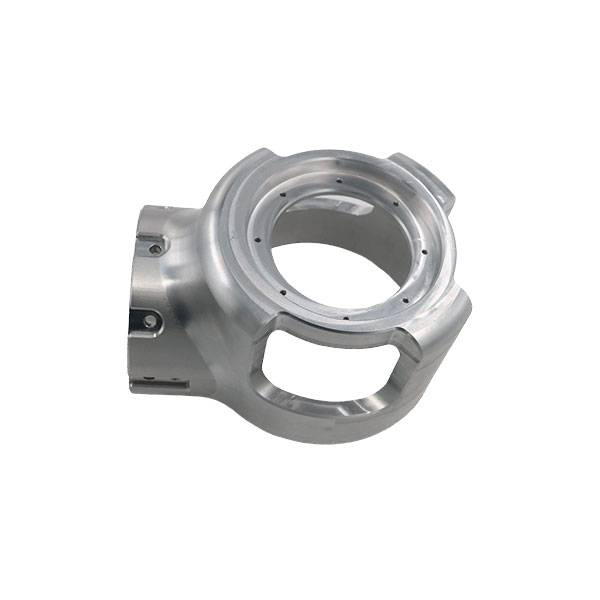
1. Part Design Complexity
Part complexity is one of the most important CNC machining cost factors.
Simple designs usually require:
Fewer machining operations
Shorter processing time
Less programming work
Complex designs may require:
Multi-axis machining
Special tooling
Additional inspection
More production time
For example, a basic mechanical block is easier to manufacture than a component with complex curves, deep cavities, and tight dimensional requirements.
Reducing unnecessary design complexity can help lower CNC machining cost without affecting product performance.


2. Material Selection
Material choice directly affects CNC machining pricing.
Different materials have different machining characteristics.
Common CNC Machining Materials include:
Aluminum is widely used because it offers:
Lightweight properties
Good machinability
Corrosion resistance
Aluminum components often have efficient machining performance, which can help reduce machining cost.
Stainless steel provides:
High strength
Corrosion resistance
Long service life
However, stainless steel may require slower machining speeds, which can increase CNC machining cost.
Titanium offers excellent strength-to-weight performance.
It is commonly used for demanding applications but requires specialized machining processes.
Engineering plastics provide:
Lightweight characteristics
Chemical resistance
Electrical insulation
They are often suitable for precision components.
3. CNC Machining Process Selection
The selected machining process affects CNC machining pricing.
Different CNC machining methods have different production requirements.
CNC Milling Cost Factors
CNC milling is suitable for complex shapes and multi-feature components.
Factors affecting CNC milling cost include:
Number of machining operations
Tool changes
Part complexity
Required accuracy
CNC Turning Cost Factors
CNC turning is suitable for cylindrical components.
CNC turning cost depends on:
Part dimensions
Material type
Machining time
Surface requirements
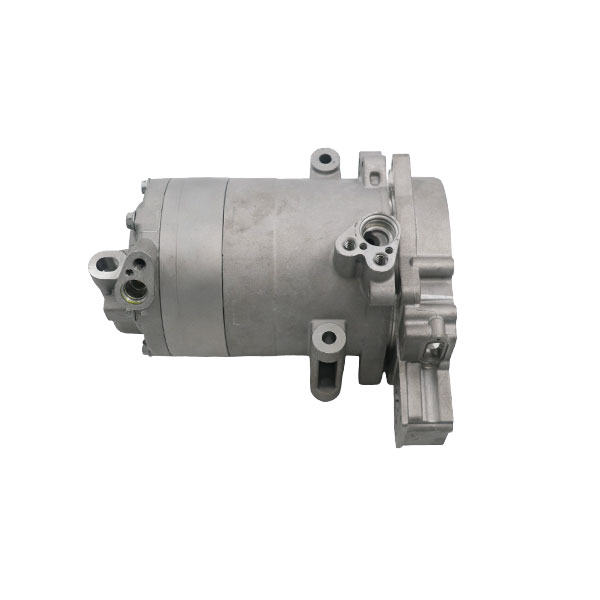
Multi-Axis CNC Machining Cost
Multi-axis machining provides greater design flexibility but may increase CNC machining cost because of:
Advanced equipment requirements
More complex programming
Higher technical requirements
4. Production Quantity
Production volume has a major impact on CNC machining cost.
Prototype parts usually have higher individual costs because:
Programming costs are distributed over fewer parts
Setup time affects each component
Production volume is low
Small batch manufacturing can reduce average machining cost compared with prototypes.
Production efficiency improves because setup costs are shared across multiple parts.
Large production quantities often reduce unit CNC machining cost because:
Setup costs are distributed
Processes can be optimized
Production efficiency improves
5. Machining Time
Machining time is one of the direct CNC machining cost factors.
Longer machining time increases:
Machine operating cost
Labor requirements
Energy consumption
Factors affecting machining time include:
Material hardness
Part size
Cutting speed
Design complexity
Optimizing machining processes can reduce production time and improve CNC machining efficiency.
6. Tolerance Requirements
Precision requirements affect CNC machining pricing.
Parts with tighter tolerances require:
More accurate equipment
Additional inspection
More careful machining control
For example, a general industrial component may not require extremely tight tolerances, while precision medical or Aerospace Components may require strict dimensional control.
Choosing appropriate tolerances helps balance performance and CNC machining cost.
7. Surface Finishing Requirements
Surface finishes also influence CNC machining cost.
Additional finishing processes may include:
Polishing
Anodizing
Coating
Brushing
Heat treatment
Surface finishing improves:
Appearance
Corrosion resistance
Wear resistance
However, additional processing increases overall machining cost.
8. Tooling Requirements
Special tools can increase CNC machining pricing.
Tooling costs depend on:
Material characteristics
Part geometry
Production quantity
Standard tools are usually more economical, while customized tooling may be required for special components.
How Lead Time Affects CNC Machining Cost
CNC machining lead time refers to the total time required from project confirmation to finished part delivery.
Lead time includes:
Design review
Programming
Material preparation
Machining
Inspection
Shipping preparation
Factors Affecting CNC Machining Lead Time
Several factors influence CNC machining lead time.
Design Complexity
Complex designs require more engineering preparation and machining operations.
This increases both:
CNC machining cost
CNC machining lead time

Material Availability
Material availability affects production schedules.
Special materials may require longer preparation times.
Production Capacity
Manufacturing workload can influence CNC machining lead time.
Production planning and scheduling help maintain efficient delivery.
Quality Inspection Requirements
Strict inspection requirements may increase lead time.
However, proper inspection ensures reliable component quality.
How to Reduce CNC Machining Cost
Businesses can reduce CNC machining cost through several strategies.
Optimize Part Design
Design optimization helps reduce:
Machining operations
Material waste
Processing time
A simpler design can often achieve the same function with lower cost.
Choose Suitable Materials
Selecting the right material balances:
Performance
Machinability
Cost
Not every application requires expensive materials.
Avoid Unnecessary Tight Tolerances
Only specify tight tolerances where they are functionally required.
Overly strict tolerances may increase CNC machining pricing.
Increase Production Quantity
Higher production quantities often reduce average unit cost.
Select Appropriate Surface Finishes
Choose surface treatments based on actual application requirements.
Unnecessary finishing steps can increase machining cost.
CNC Machining Cost Comparison by Project Type
Different projects have different cost structures.
Prototype Parts | Programming, setup, low quantity |
Small Batch Parts | Setup, machining time, inspection |
Production Parts | Process optimization, tooling, volume |
Complex Precision Parts | Accuracy, advanced machining, inspection |
Industries Where CNC Machining Cost Is Important
Many industries carefully evaluate CNC machining cost because precision components directly affect product performance.
Aerospace parts require:
High precision
Reliable materials
Strict inspection
Although CNC machining cost may be higher, precision manufacturing is essential for performance and safety.
Automotive Industry
Automotive manufacturers focus on balancing:
Production efficiency
Component quality
Manufacturing cost
CNC Machining Supports both prototype development and production applications.
Medical components require:
Accurate dimensions
Reliable materials
Strict quality control
Proper planning helps manage CNC machining pricing.
Automation Industry
Automation equipment requires customized mechanical components.
CNC machining provides flexible manufacturing solutions.
Future Trends Affecting CNC Machining Cost
Future CNC manufacturing developments will continue improving efficiency.
Important trends include:
Automated production systems
Intelligent CNC control
Digital manufacturing
Advanced inspection technology
These improvements may help reduce CNC machining cost while improving accuracy and production efficiency.
Conclusion: Understanding CNC Machining Cost Factors
CNC machining cost depends on many factors, including part design, materials, machining processes, production volume, tolerances, surface finishes, and lead time requirements.
There is no fixed price for CNC machining because every project has unique manufacturing needs.
By understanding the main CNC machining cost factors, businesses can optimize designs, select suitable materials, improve production planning, and control overall manufacturing expenses.
A clear understanding of CNC machining pricing and CNC machining lead time helps companies make better decisions and achieve reliable precision manufacturing results.
Este sitio web utiliza cookies para garantizar que obtenga la mejor experiencia en nuestro sitio web.
 EN
EN Pусский
 العربية
 Tiếng Việt



 Teléfono
Comentario
(0)